After more than thirty years in education across several countries, I am suspicious of the word system. It suggests something designed, coherent and accountable, a set of parts that fit together under someone who understands the whole. That is no longer what many of us experience. In much of the world, the people working inside public education are creating coherence where the institution itself is losing it.
Teachers, educational assistants, principals, office staff, parents and students create coherence together. Institutions matter, which is exactly why their weakening matters. When capacity falls, somebody still holds the pieces together, and more and more that somebody is the adult standing in front of the students.
The pandemic did not create every problem in our schools, but it exposed them. It showed how much learning depends on stability, belonging and trust, and how much invisible work school staff were already doing. When formal structures strain, people compensate. They make the call after hours, find another way to reach a child tyring to learn, and design a project because the prescribed solution does not fit the students in the room. Over time, improvisation becomes the operating model. #Chaos is also a kind of order, one we have not yet learned to name.
Teachers belong in the design of education policy, not in a consultation held after the important choices are made. We carry enormous professional responsibility with comparatively little institutional power. We decide when a lesson must change, notice the student who has gone quiet, build relationships with families, and adapt all day long. Yet the decisions that shape our work are made far from the classroom. We are not always right, but proximity matters. The person closest to a problem often sees what the person managing it cannot.
Most people meet the state through the institution closest to them, whether a school, a hospital or a local office. When those institutions cannot respond, trust erodes, and people go looking for community elsewhere. Democracy is more than elections. It is the everyday practice of living alongside people who are different from us and working out how to do something together. Schools rehearse that practice every day.
The practical hope is to look for what is already working and ask what conditions allowed it to happen, then create more of those conditions. That kind of reform starts with capacity rather than compliance, and with people rather than structures.
Institutional coherence can weaken without human coherence disappearing. In my classroom, young people from very different places are learning to belong to something together. A project becomes a shared purpose, a difference becomes a way to understand someone else, and a twelve-year-old discovers they have something to contribute. That is how cohesion is built, one classroom at a time.
In today’s dynamic educational landscape, the importance of personalized professional development (PD) for teachers cannot be overstated, especially when it comes to fostering creativity in the classroom. Teachers operate in varied scenarios, whether independently or within a school district, and each context presents unique challenges and opportunities. Regardless of the setting, the primary goal remains the same: to enhance the learning experience for students by encouraging creativity and critical thinking.
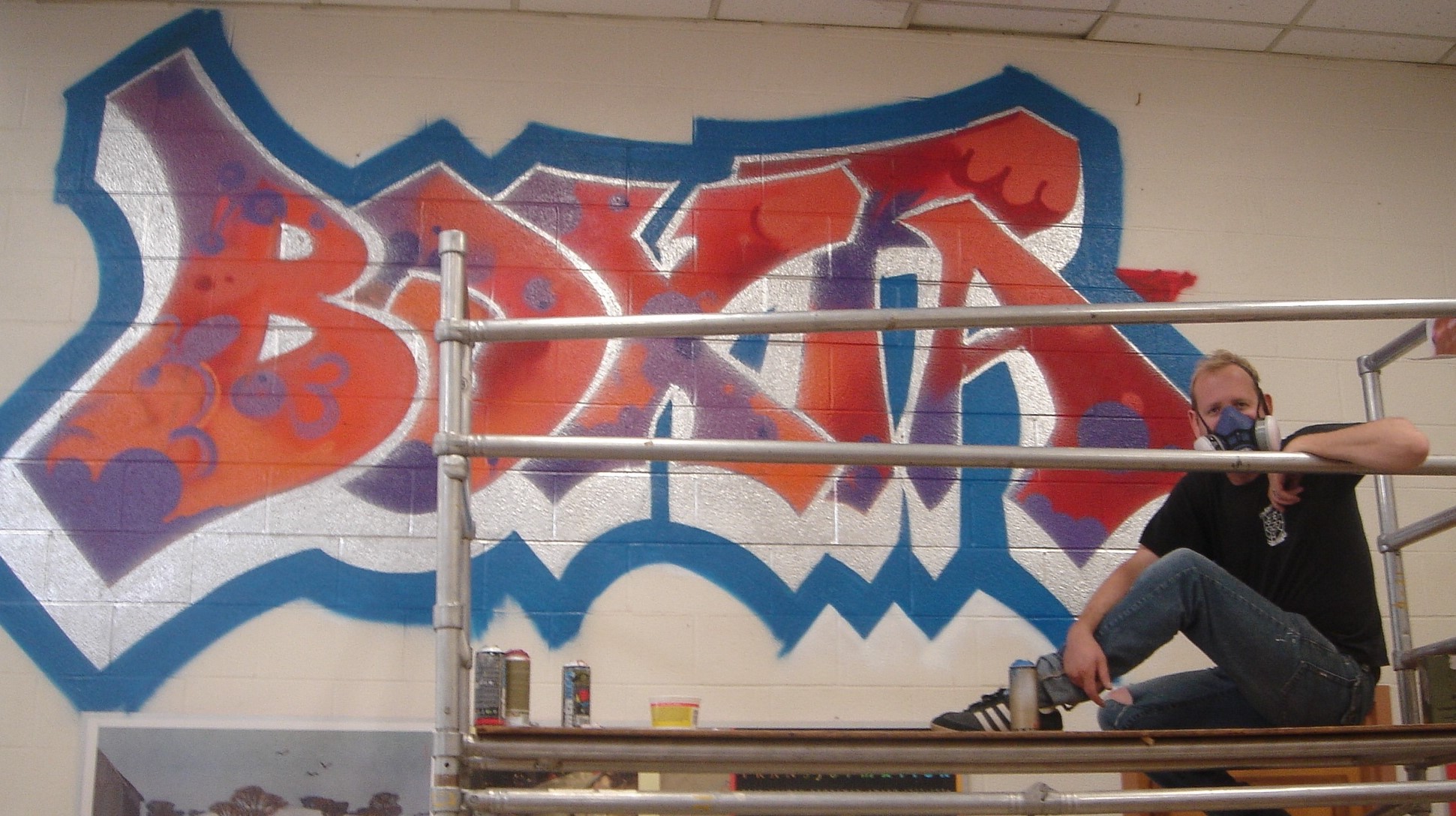
BOXTA 2008
The local context in which a teacher operates significantly influences their professional development journey. In regions where the education system is aligned with the goals of the government, teachers may find themselves encouraged to pursue PD. Conversely, in areas experiencing defunding and de-professionalization, teachers may struggle to access the resources they need. This disparity underscores the need for a more individualized approach to PD, one that prioritizes the teacher’s personal growth and the creative needs of their students.
Professional development should be viewed as a creative endeavor in itself. For me, PD serves my own learning and creativity, which, in turn, benefits my students. My interest lies in improving the student experience, and I actively seek feedback to guide my efforts. It’s crucial to provide students with opportunities to be creative, both inside and outside the classroom. As educators, we must model this behavior, demonstrating that creativity is a valued and integral part of learning.
To foster a creative classroom environment, teachers should be encouraged to conduct action research and develop innovative solutions to the challenges they encounter. This approach requires adopting a project management mindset, focusing on identifying problems and implementing effective solutions. Participation in initiatives such as the Reimagine Education competition, which provides sophisticated guidelines that can be scaled, exemplifies how teachers can transform their classrooms into incubators of ideas and solutions, with their students and communities.
Classrooms that prioritize creativity become breeding grounds for innovative thinking and problem-solving. School districts that support this vision should act as accelerators, providing funding and professional development to help scale these innovative solutions. Most do not.
Critical thinking is a necessary component of any creative endeavor. Traditional summative evaluations often lack room for improvement, failing to allow for iterative processes that encourage reflection and analysis. This rigid approach can be oppressive, demanding compliance from students without fostering their intrinsic motivation. When students engage in iterative processes, they transition from extrinsic to intrinsic motivation, driven by questions that matter to them. Teachers and mentors play a crucial role in guiding this process, helping students to embrace change and pursue creative solutions.
The concept of homework should be reframed as studying, emphasizing the importance of personalized and differentiated learning. Students need the freedom – the space – to curate their own learning materials, documented through sketchbooks, notebooks, and digital tools. These artifacts become valuable resources that can be digitized and used to inform personalized learning experiences – or sandboxes – which will support their usage of artificial intelligence.
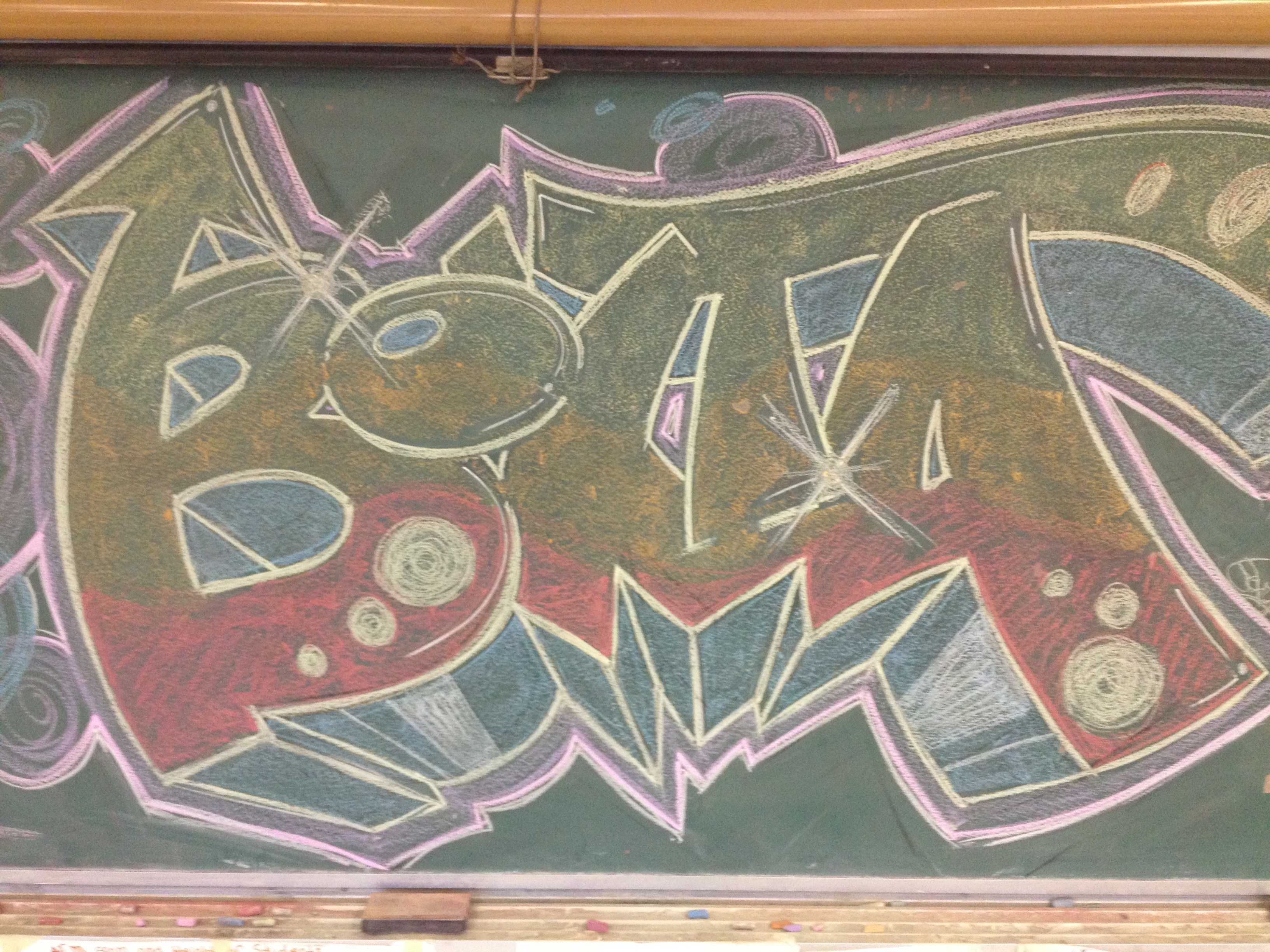
BOXTA 2009
Measuring competencies presents a challenge but is not impossible. In Ontario, for instance, ‘learning skills’ are reported on, highlighting the importance of educating parents and guardians about the value of competencies beyond traditional numeric grades. The current educational climate in Ontario, marked by government defunding, poses significant challenges. Student demographic data, including demographics, absences, and report card marks, are now managed by companies like PowerSchool, owned by private equity firm Bain Capital. These entities (‘Education Leaders’) prioritize cost-cutting measures, such as reducing staffing, hardware purchases, tutoring programs, and teacher salary increases, which ultimately undermines the quality of education. In this context, who are our students actually working for?
To counteract these challenges, teachers must empower students to control and articulate their learning journeys. By teaching students to value their data and use it to inform their learning processes, we can foster a generation of creative and independent thinkers. This shift from education to learning involves engaging students in solving local problems and sharing their solutions globally, facilitated by digital platforms and open-source networks (web3!).
The future of education/learning lies in the intersection of global and local contexts, where personalized learning and creativity are prioritized. Technologies such as Web3 and blockchain will drive this evolution, offering new opportunities for engagement and innovation. Teachers and students should own and share their intellectual property on open-source networks and blockchains, ensuring that knowledge is democratized and accessible to all.
Ultimately, teachers should not rely solely on school or district PD programs, which often focus on meeting funding requirements rather than addressing teachers’ expertise and skill sets. Professional development should be personal, driven by the projects and solutions that inspire teachers to improve their students’ experiences. By building their own learning networks and sharing their work globally, teachers can model the freedom and creativity they wish to instill in their students.
BOXTA 2016
In conclusion, personalized professional development is essential for fostering creativity in the classroom. Teachers must be fierce advocates for their own learning and creativity, taking risks and engaging in processes with unknown outcomes. By creating spaces for students to connect with the analog world before engaging digitally, we can cultivate a learning environment that values creativity, critical thinking, and continuous improvement. Together, we can redefine professional development and empower teachers to transform their classrooms into vibrant, innovative spaces for learning, with or without school districts.
Innovation in Education is a blog dedicated to innovating education. All work posted on this website is free to use under a Attribution-NonCommercial 4.0 International(CC BY-NC 4.0). All opinions and views expressed here are of the Principal.