All posts by Rich Baxter

Unknown's avatar

About Rich Baxter

I am a specialist in Educational Theory and Practice, Educational Leadership, and Educational Technology.

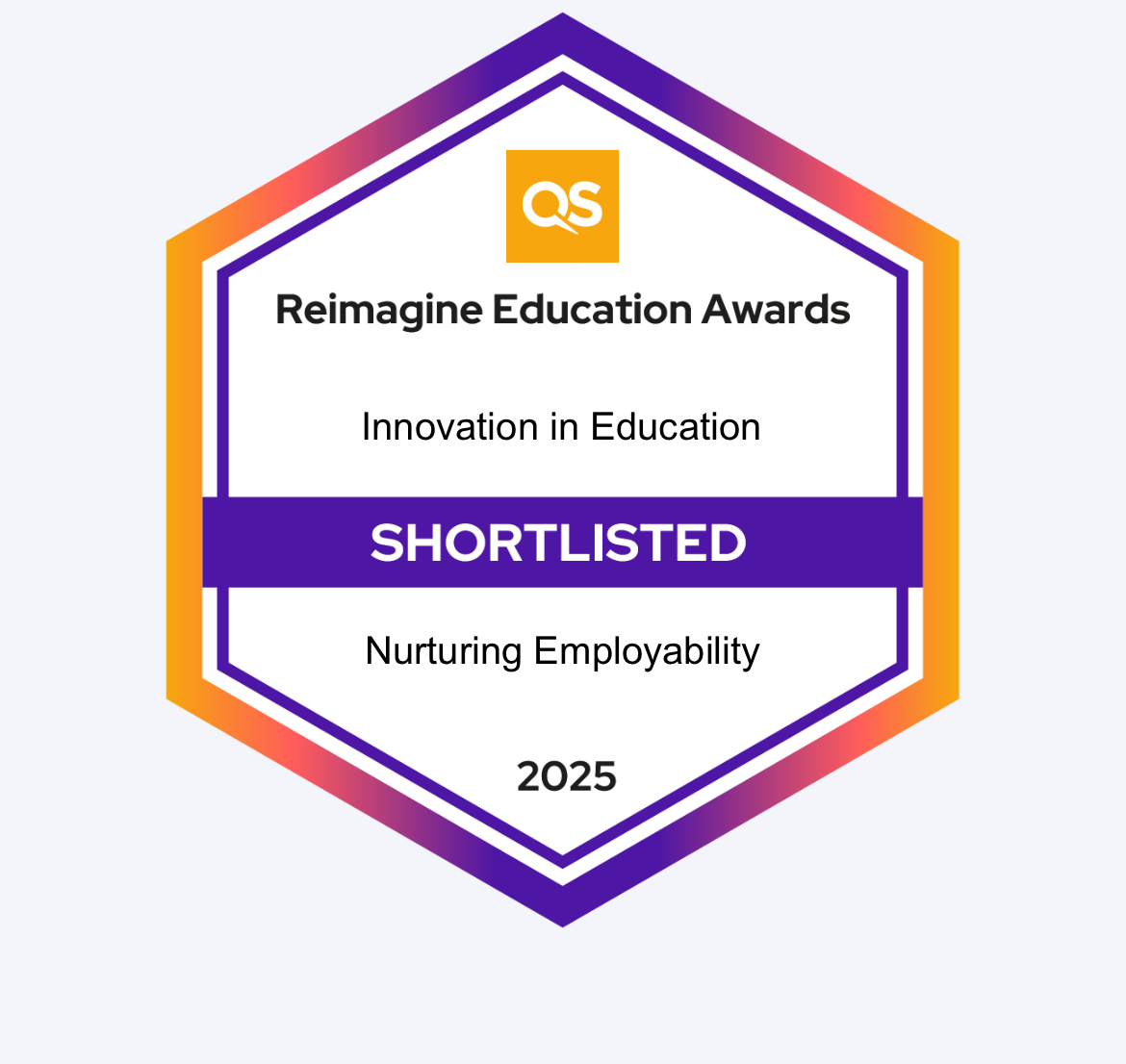
Innovation in Education Shortlisted for 2025 QS Reimagine Education Awards

Toronto, October 19, 2025 – We’re thrilled to announce that Lern2Ern has been shortlisted for the prestigious 2025 QS Reimagine Education Awards in the Nurturing Employability Award category (Venture – Early Stage).

This international recognition validates over a decade of classroom innovation focused on transforming education from passive consumption to active ownership, where students build genuine career capital through authentic problem-solving.

What Makes Lern2Ern Different

Lern2Ern represents a fundamental shift in how we think about learning and employment readiness. Rather than treating students as consumers of education, our platform positions them as creators and owners of their intellectual property. Students tackle real-world challenges—from sustainability projects to community problem-solving—earning blockchain-verified credentials that demonstrate actual capabilities to future employers.

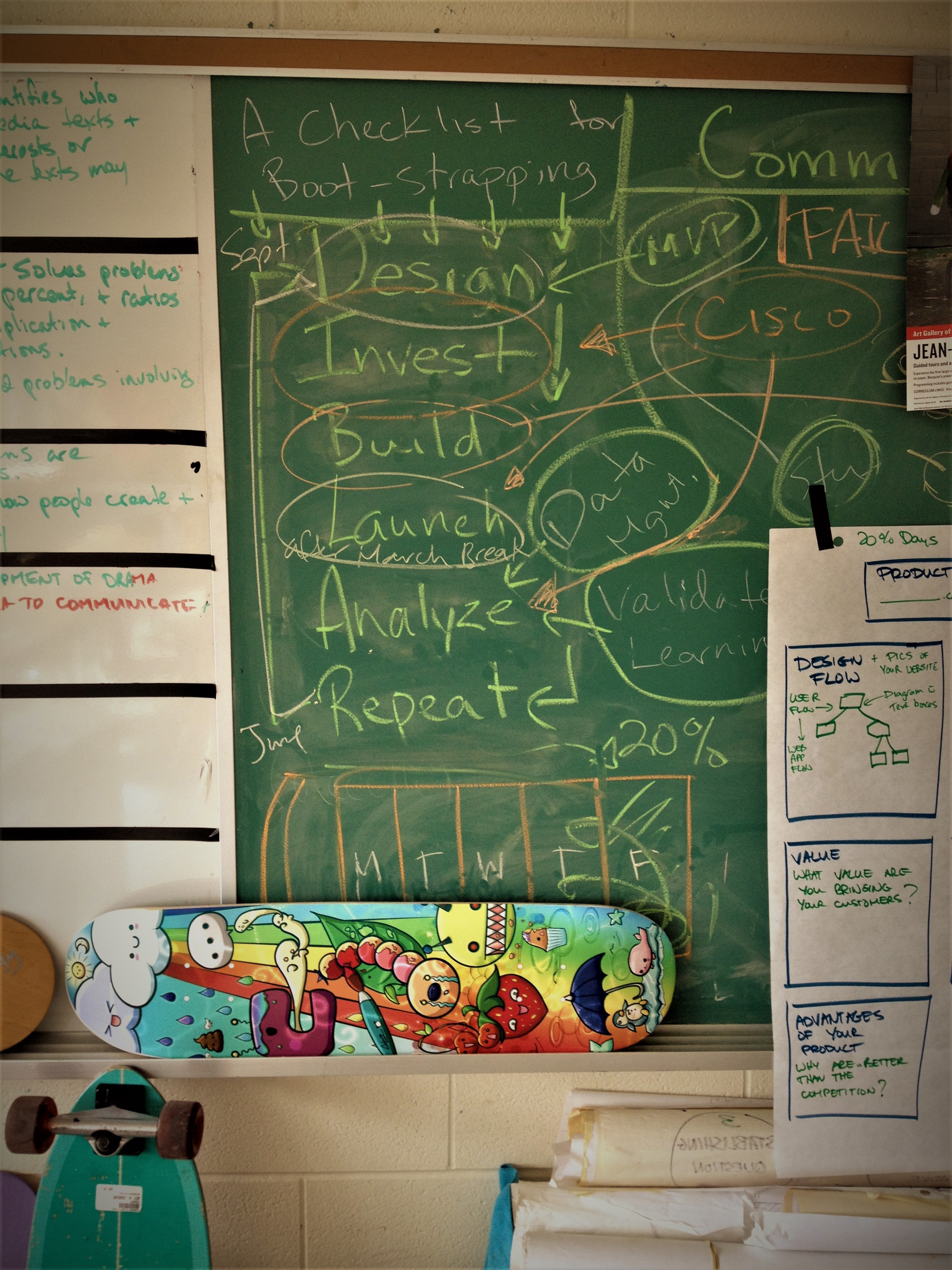
Built on our Bronze Award-winning “Bootstrapping Checklist” methodology, Lern2Ern addresses three critical gaps identified by the QS Future Skills Index and International Labour Organization research:

  • Ownership Justice: Students retain full intellectual property rights to their innovations
  • Skills Verification: Blockchain-powered credentials provide employers with reliable proof of capabilities
  • Real-World Relevance: Every project connects learning to emerging career pathways in AI, digital, and green economies

What Students Are Saying

Our recent Innovation Sprint pilot has generated encouraging feedback from Grade 8 students:

On their overall experience:
I think Lern2ern is valuable because each of us worked so hard on making an app, making it work and doing everything more for the app to work and asking each of our classmates what’s the problem in our school and it took a lot of time.


We finally made Vitranslator, but still a prototype, but we’re still working on it. Yes, I believe Lern2Ern is very valuable to me because it helped me learn many new skills and think more creatively. I really enjoyed working with my friends to solve real problems that we see every day at school. Together, we spent a lot of time designing and building our app, trying our best to make the prototype work. We asked our classmates about the issues they face so we could create something that could actually make a difference. This experience taught me the importance of teamwork, problem-solving, and never giving up, even when something feels challenging.


I believe that Lern2ern is important to me because it is a platform where I can share ideas to solve real problems and change my community, country and the world. It pretty fun because we got to work with people and try things that we wouldn’t normally do.

On earning digital badges:

  • “I felt really good about myself”
  • “I felt accomplished and proud of myself”
  • “Pretty good, it felt like I accomplished something”

On the value of Lern2Ern: Students consistently highlighted the real-world connection and ownership as key benefits:

  • “I believe that Lern2ern is valuable because it provides hands-on, real-world learning experiences”
  • “It helps students develop essential skills like critical thinking, collaboration, and problem-solving”
  • “Students can retain intellectual property rights over their achievements”

When asked if they’d recommend Lern2Ern to friends, responses were unanimously positive, citing the platform’s fun, engaging approach and the tangible value of earning recognized credentials.

Looking Ahead

This nomination comes at a pivotal moment as we prepare to scale Lern2Ern globally. With 87% of businesses reporting skills gaps and 375 million workers needing career transitions by 2030, the need for authentic, verified skill development has never been greater.

Our vision: to serve over 1 million students worldwide by 2030, establishing Lern2Ern as the global standard for student ownership in education and creating direct pathways from learning to meaningful employment.

About the QS Reimagine Education Awards

Often called “the Oscars of Education,” the QS Reimagine Education Awards recognize the most innovative and impactful educational initiatives from around the world. Being shortlisted places Lern2Ern among the world’s leading educational innovations.

Winners will be announced at the awards ceremony in December 2025.


Learn more about Lern2Ern: lern2ern.com

About Innovation in Education: Since 2022, we’ve been transforming how students learn, create, and prepare for the future of work. Our mission is to ensure every young person owns their learning journey and builds genuine career capital through authentic problem-solving.


“Education should empower students to own their innovations and control their future more. Lern2Ern makes that vision real.” – Rich Baxter, Founder

Decentralizing Knowledge: How AI and Web3 Can Empower Student Agency in the Age of Disruption

Introduction: Reconceptualizing Education in a Digital Era

The advent of artificial intelligence has initiated a profound reimagining of education’s purpose and methods. While much discussion centers on AI’s potential to streamline assessment or personalize learning, we must look beyond efficiency to consider more fundamental questions: Who owns knowledge in an AI-enhanced world? How might we reconfigure education systems to prioritize student agency? And how can emerging technologies help democratize learning rather than further entrenching existing power dynamics?

This piece explores how the convergence of AI with Web3 technologies could foster an education paradigm where students are not mere consumers of knowledge but active creators and owners of their intellectual contributions. Drawing from practical classroom experiences and emerging technological frameworks, I propose that this integration could address critical challenges in contemporary education while supporting democratic values that underpin healthy societies.

The Problem: AI Risks Reinforcing Traditional Power Structures

Current educational models often position students as passive recipients of knowledge, with power and authority concentrated in institutions, curricula designers, and assessment bodies. This imbalance risks being amplified rather than diminished by AI implementation. When AI tools are deployed within traditional frameworks, they frequently reinforce existing hierarchies – centralizing decision-making, standardizing outputs, and prioritizing measurable outcomes over creativity and critical thinking.

The typical application of AI in education today follows a distressingly familiar pattern: edtech companies develop proprietary algorithms that analyze student data, teachers receive analytics dashboards to track performance metrics, and students become subjects whose behaviors are increasingly monitored and shaped. In this scenario, AI serves not to liberate learning but to enhance surveillance and control, widening the power gap between technology providers and education stakeholders.

Meanwhile, students create content that feeds these systems without retaining ownership or receiving recognition for their contributions. Their essays, projects, and discussions become training data for AI models owned by corporations, with no attribution or compensation flowing back to the original creators.

The Possibility: A Decentralized Model of Learning

Web3 technologies—particularly blockchain, decentralized autonomous organizations (DAOs), and non-fungible tokens (NFTs) and tokenization—offer mechanisms to realign these power dynamics when thoughtfully integrated with AI systems. Together, they can create an education ecosystem that recognizes student agency and creativity while fostering community-centered learning.

In a classroom experiment called “Lern2ern” conducted over two years in my Toronto school, we implemented a primitive version of this vision. Students earned tokens for demonstrating key competencies like collaboration, critical thinking, and creativity. These tokens were initially tracked on an analog ledger, then digital spreadsheets, with plans to move them onto a blockchain. Local businesses became partners, providing tangible rewards for accumulated tokens.

This system represented more than gamification—it created a microeconomy where learning behaviors gained recognized value. Students who previously disengaged from traditional assessment models became enthusiastic participants when their contributions earned visible acknowledgment. More importantly, they began viewing themselves as creators rather than consumers of educational content.

The next evolution of this approach would integrate AI as a facilitator rather than controller of the learning process. AI systems could help students document their work, provide feedback on developing competencies, and connect them with relevant learning opportunities and collaborators. Meanwhile, blockchain would ensure that students retain ownership of their intellectual property, with smart contracts automatically attributing their contributions and managing permissions for how their work is used.

Practical Implementation: Redefining Educational Value

Imagine a future classroom where:

  1. Students maintain digital portfolios authenticated on a blockchain, with AI helping curate and present their work for different audiences.
  2. Learning artifacts created by students become NFTs, establishing provenance and enabling attribution even as works are remixed and built upon by others.
  3. AI systems serve as learning companions that help students identify interests, set goals, and connect with mentors and collaborators globally.
  4. Classroom communities function as DAOs, with students and teachers collectively governing how resources are allocated and how group projects evolve.
  5. Assessment shifts from centralized testing to community validation, where demonstrated competencies earn tokens that represent recognized skills and knowledge.

This model acknowledges that in an age where information is abundant and AI can generate content on demand, education’s value lies not in knowledge transmission but in fostering human creativity, critical thinking, and collaborative problem-solving. It positions technology as an enabler of human potential rather than a replacement for human judgment.

Challenges and Ethical Considerations

This vision is not without challenges. Concerns about equity and access must be addressed, ensuring that decentralized education systems don’t simply reproduce existing societal divides. Privacy concerns are paramount, particularly when combining AI’s data hunger with the permanence of blockchain records. And questions of appropriate governance—who sets the rules in decentralized education systems—require careful consideration.

Educational approaches using Web3 and AI must embrace principles of consent, transparency, and justice. Students should understand how their data is used, have agency in deciding what is recorded on immutable ledgers, and participate in setting rules for technology use. Educational institutions must develop literacy not just in how to use these technologies but in critically examining their implications.

Moreover, we must acknowledge that technology alone cannot solve education’s challenges. The human relationships at education’s heart—between teachers and students, among peers, and within communities—remain essential. Technology should enhance rather than replace these connections.

Conclusion: Toward a Democratic Educational Future

The convergence of AI and Web3 technologies offers an opportunity to reimagine education as a fundamentally democratic enterprise, where students actively create knowledge, take ownership of their learning, and participate in governance of educational systems. This approach aligns education with broader democratic values of agency, participation, and community self-determination.

For policymakers, this suggests several priorities:

  1. Invest in digital infrastructure that supports decentralized models, ensuring equitable access across communities.
  2. Develop regulatory frameworks that protect student privacy and data rights while enabling innovation.
  3. Support teacher professional development that empowers educators to facilitate rather than direct learning in technology-enhanced environments.
  4. Encourage experimentation with decentralized education models, gathering evidence about what works and for whom.
  5. Engage communities in educational governance, particularly in decisions about technology adoption and use.

The most crucial task for education in the age of AI is not teaching students to compete with machines but fostering the distinctly human capacities that make us more than computational beings: creativity, empathy, ethical reasoning, and collaborative problem-solving. By combining AI’s power with Web3’s potential for decentralization, we can create education systems that nurture these capacities while empowering students as active participants in knowledge creation.

As we navigate this technological transition, our north star must be a vision of education that serves not merely economic efficiency but human flourishing and democratic community. The choices we make now will shape not just how we learn, but what kind of society we become.


Transparency Statement: In the development of this piece, I utilized Claude.ai, an AI assistant by Anthropic. This approach was taken deliberately, as it aligns with the essay’s themes of critically engaging with AI tools while maintaining human agency. The ideas, experiences, and educational philosophy expressed are my own, drawn from my work in education and the Lern2ern initiative, with Claude.ai assisting in organizing and articulating these concepts. This collaborative process exemplifies how AI can serve as a tool that enhances rather than replaces human thinking—precisely the relationship between humans and AI that I advocate for in education.

Web3Education #StudentAgency #DecentralizedLearning #AIinEducation #DigitalOwnership EdTech #BlockchainEducation #NFTLearning #DigitalEmpowerment #FutureOfLearning #EducationalInnovation #StudentOwnership #DAOClassroom #EduDAO #CreativeAgency #EdWeb3 #EthicalAI #EquitableEducation #LearningRevolution #DigitalIdentity #StudentGovernance #EducationReform #TechDemocracy #SmartContractLearning #TokenizedLearning

Personalized Professional Development: Fostering Creativity in the Classroom

In today’s dynamic educational landscape, the importance of personalized professional development (PD) for teachers cannot be overstated, especially when it comes to fostering creativity in the classroom. Teachers operate in varied scenarios, whether independently or within a school district, and each context presents unique challenges and opportunities. Regardless of the setting, the primary goal remains the same: to enhance the learning experience for students by encouraging creativity and critical thinking.

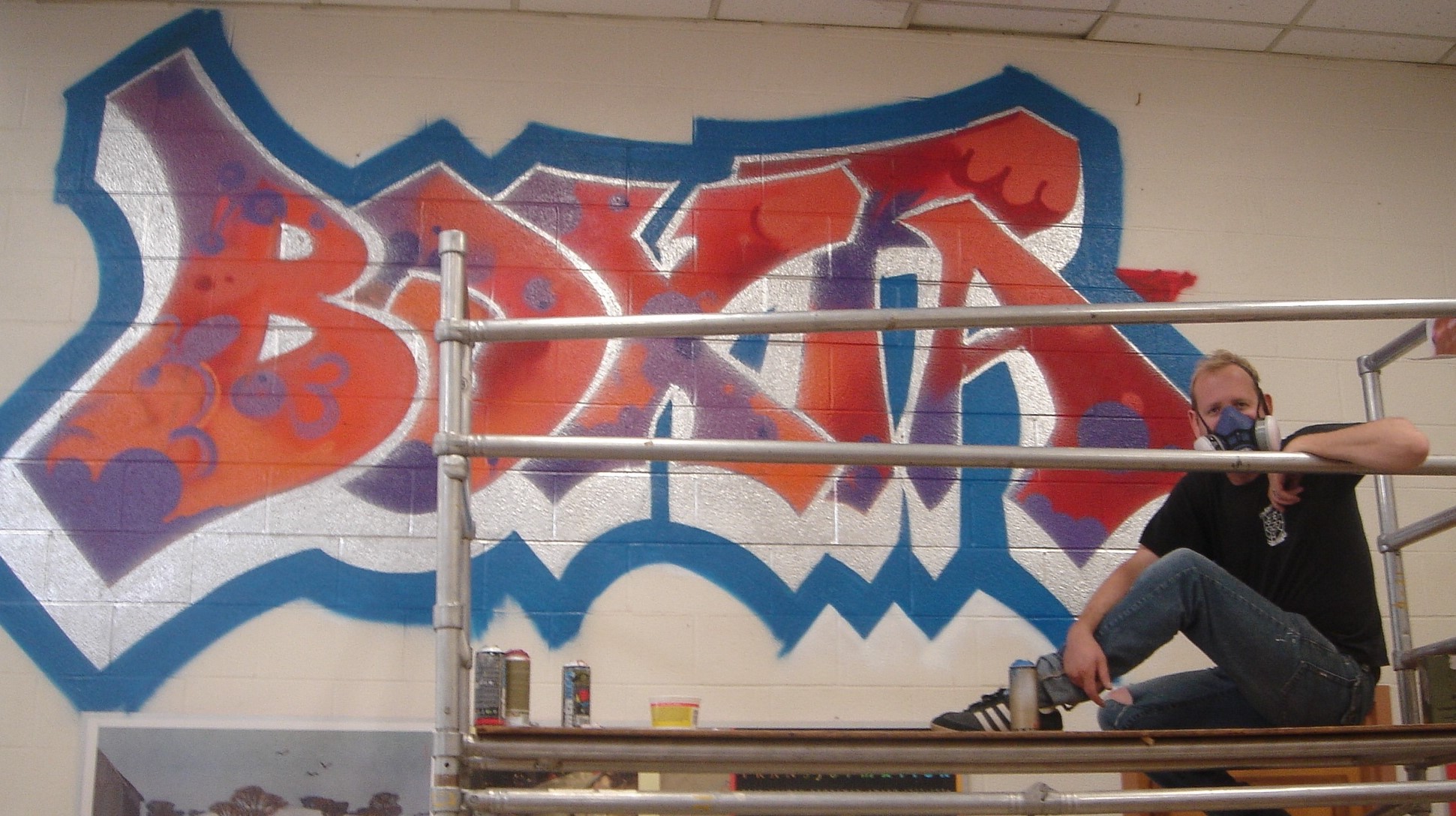
BOXTA 2008

The local context in which a teacher operates significantly influences their professional development journey. In regions where the education system is aligned with the goals of the government, teachers may find themselves encouraged to pursue PD. Conversely, in areas experiencing defunding and de-professionalization, teachers may struggle to access the resources they need. This disparity underscores the need for a more individualized approach to PD, one that prioritizes the teacher’s personal growth and the creative needs of their students.

Professional development should be viewed as a creative endeavor in itself. For me, PD serves my own learning and creativity, which, in turn, benefits my students. My interest lies in improving the student experience, and I actively seek feedback to guide my efforts. It’s crucial to provide students with opportunities to be creative, both inside and outside the classroom. As educators, we must model this behavior, demonstrating that creativity is a valued and integral part of learning.

To foster a creative classroom environment, teachers should be encouraged to conduct action research and develop innovative solutions to the challenges they encounter. This approach requires adopting a project management mindset, focusing on identifying problems and implementing effective solutions. Participation in initiatives such as the Reimagine Education competition, which provides sophisticated guidelines that can be scaled, exemplifies how teachers can transform their classrooms into incubators of ideas and solutions, with their students and communities.

Classrooms that prioritize creativity become breeding grounds for innovative thinking and problem-solving. School districts that support this vision should act as accelerators, providing funding and professional development to help scale these innovative solutions. Most do not.

Critical thinking is a necessary component of any creative endeavor. Traditional summative evaluations often lack room for improvement, failing to allow for iterative processes that encourage reflection and analysis. This rigid approach can be oppressive, demanding compliance from students without fostering their intrinsic motivation. When students engage in iterative processes, they transition from extrinsic to intrinsic motivation, driven by questions that matter to them. Teachers and mentors play a crucial role in guiding this process, helping students to embrace change and pursue creative solutions.

The concept of homework should be reframed as studying, emphasizing the importance of personalized and differentiated learning. Students need the freedom – the space – to curate their own learning materials, documented through sketchbooks, notebooks, and digital tools. These artifacts become valuable resources that can be digitized and used to inform personalized learning experiences – or sandboxes – which will support their usage of artificial intelligence.

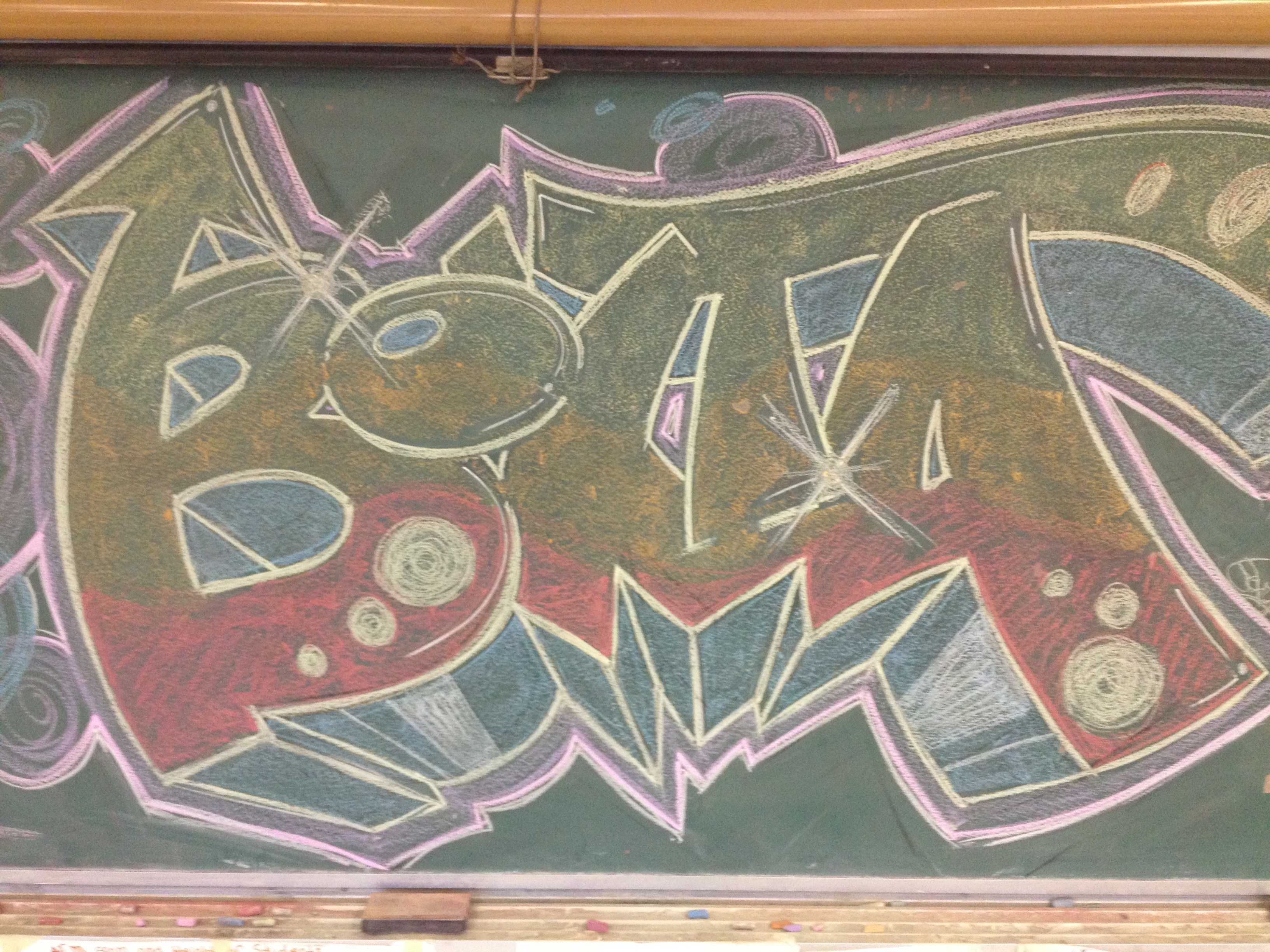
BOXTA 2009

Measuring competencies presents a challenge but is not impossible. In Ontario, for instance, ‘learning skills’ are reported on, highlighting the importance of educating parents and guardians about the value of competencies beyond traditional numeric grades. The current educational climate in Ontario, marked by government defunding, poses significant challenges. Student demographic data, including demographics, absences, and report card marks, are now managed by companies like PowerSchool, owned by private equity firm Bain Capital. These entities (‘Education Leaders’) prioritize cost-cutting measures, such as reducing staffing, hardware purchases, tutoring programs, and teacher salary increases, which ultimately undermines the quality of education. In this context, who are our students actually working for?

To counteract these challenges, teachers must empower students to control and articulate their learning journeys. By teaching students to value their data and use it to inform their learning processes, we can foster a generation of creative and independent thinkers. This shift from education to learning involves engaging students in solving local problems and sharing their solutions globally, facilitated by digital platforms and open-source networks (web3!).

The future of education/learning lies in the intersection of global and local contexts, where personalized learning and creativity are prioritized. Technologies such as Web3 and blockchain will drive this evolution, offering new opportunities for engagement and innovation. Teachers and students should own and share their intellectual property on open-source networks and blockchains, ensuring that knowledge is democratized and accessible to all.

Ultimately, teachers should not rely solely on school or district PD programs, which often focus on meeting funding requirements rather than addressing teachers’ expertise and skill sets. Professional development should be personal, driven by the projects and solutions that inspire teachers to improve their students’ experiences. By building their own learning networks and sharing their work globally, teachers can model the freedom and creativity they wish to instill in their students.

BOXTA 2016

In conclusion, personalized professional development is essential for fostering creativity in the classroom. Teachers must be fierce advocates for their own learning and creativity, taking risks and engaging in processes with unknown outcomes. By creating spaces for students to connect with the analog world before engaging digitally, we can cultivate a learning environment that values creativity, critical thinking, and continuous improvement. Together, we can redefine professional development and empower teachers to transform their classrooms into vibrant, innovative spaces for learning, with or without school districts.


Innovation in Education is a blog dedicated to innovating education. All work posted on this website is free to use under a Attribution-NonCommercial 4.0 International(CC BY-NC 4.0). All opinions and views expressed here are of the Principal.

#PD #Teacherpreneur #Competencies #Creativity #Skills #AI Eduverse #Web3 #DAO #Equity #Education #Community #Crypto #Cryptocurrency #NeverStopInnovating #Ed3 #Regenerative

Raising a Generation of Innovators: The Power of Creativity, Curiosity, and Sandboxes in Education

As an art teacher, I’ve seen firsthand how the seeds of creativity and critical thinking can transform young minds. In an era where artificial intelligence (AI) and technology dominate our lives, it’s more important than ever to equip our children with the skills and mindset to navigate this landscape constructively and ethically. One key element in this journey is the concept of “creating your own sandbox”—a space where learners can freely explore, experiment, and express their ideas.

The Sandbox: A Crucible for Creativity and Problem-Solving

Creating a sandbox isn’t just a metaphor; it’s a practical approach to learning. It involves providing children with the tools and freedom to curate their thoughts and ideas, both in and out of the classroom. This can be achieved through the use of notebooks and sketchbooks, embracing both digital and analog methods. Handwriting and drawing are particularly powerful in this context, as they engage different parts of the brain, enhancing memory, creativity, and cognitive development.

Why Drawing and Geometry Matter

Drawing and geometry are more than just artistic and mathematical exercises; they are gateways to a world of creative thinking and spatial awareness. When children learn to draw, they develop fine motor skills and a keen eye for detail. Geometry, on the other hand, fosters logical thinking and an understanding of shapes and patterns. Together, these disciplines help children visualize and solve complex problems, a skill that’s invaluable in the world of AI and beyond.

Expanding the Toolkit: Coding, Critical Thinking, and Ethics

To truly prepare our children for the future, we must expand their toolkit:

  • Programming and Coding: Introducing children to programming languages helps them understand the building blocks of technology and AI, fostering logical thinking and problem-solving skills.
  • Critical Thinking and Problem-Solving: Encouraging children to question, analyze, and solve problems prepares them for the challenges they’ll face in a tech-driven world.
  • Ethics and Digital Citizenship: Teaching the ethical use of technology and responsible online behavior ensures that our future leaders use AI for the greater good.

The Role of Arts and Collaboration

Arts and collaboration play a crucial role in this educational paradigm. Engaging in music, theater, and other creative arts nurtures emotional expression and innovative thinking. Meanwhile, collaboration and communication skills are essential for working in teams and sharing diverse perspectives, which are often required in tech and AI projects.

Building a Culture of Abundance

We live in a world of unprecedented resources and opportunities, thanks to the internet and AI. However, this “culture of abundance” must be shared responsibly and equitably. By fostering a mindset of exploration and ethical responsibility, we can raise a generation that not only harnesses the power of AI but also works to regenerate our environments—both locally and globally.

Chilling Out and Taking a Breath

In our fast-paced world, it’s easy to get caught up in the rush. But sometimes, the best thing we can do is to take a step back, chill out, and take a breath. This pause allows us to reflect on the problems we want to solve and the ideas we want to execute. By creating spaces—both physical and mental—where children can explore and innovate, we empower them to think deeply and act meaningfully.

Conclusion

As an art teacher, I am convinced that by teaching children to create their own sandboxes and equipping them with a diverse set of skills, we can raise a generation of innovators. These individuals will be capable of leveraging AI and technology to solve real-world problems, all while fostering a culture of creativity, responsibility, and abundance. Let’s commit to nurturing these qualities in our children, ensuring they grow into adults who can fully exploit the potential of the digital age for the benefit of all humanity.


Innovation in Education is a blog dedicated to innovating education. All work posted on this website is free to use under a Attribution-NonCommercial 4.0 International(CC BY-NC 4.0). All opinions and views expressed here are of the Principal.

#ArtsEducation #ArtSavesLives #Lern2ern #Lernverse #Lerntoken #Web3 #DAO #Equity #Education #Community #Crypto #Cryptocurrency #NeverStopInnovating #Ed3 #Regenerative

Empowering Education through Web3: A Path to Student Ownership, Equity, and Societal Transformation

My Ed3DAO NFT

Introduction:

In an era where underfunding of education appears to be a calculated strategy by conservative factions to maintain control over resources and marginalized communities, the battle for democratizing education gains immense significance. The conservative right’s strategic underfunding of education has been perceived as a tactic to maintain control over resources and marginalized communities.

North America’s school districts are implicated, benefitting financially while equity remains elusive. However, the tide is turning as some communities consider harnessing Web3 tools to invest in families and empower students.

This post explores how the emergence of Web3 technology holds the potential to shift the power dynamics in education, putting students and families at the forefront of their learning journey, promoting democracy, equity, and individuality, while challenging the status quo.

The Role of Web3 in Education:

Web3 presents a new frontier for education, where students can transcend the limitations of standardized learning and engage as co-creators of knowledge. Unlike the oppressive one-size-fits-all approach that unified technology solutions enforce, Web3 emphasizes individuality, creativity, and collaboration.

By harnessing decentralized networks, students become empowered to shape their learning environments and take ownership of their intellectual pursuits. This transformation holds profound implications for education systems that have long stifled students’ potential.

Addressing Equity and Ownership:

Equity in education has been a long-standing concern, particularly for marginalized communities. Web3 offers a glimmer of hope by providing a platform for individuals to reclaim their creative agency and amplify their voices.

Through blockchain technology, students can establish ownership over their work, ensuring that their contributions are acknowledged and valued. This resonates with the principles of anti-oppressive education, as students develop the competencies needed to thrive in an interconnected and diverse world.

Democracy, Equity, and Education:

At the core of the battle lies the connection between educational reform and the preservation of democracy. By underfunding public education, the conservative right undermines the development of informed citizens and thus democracy itself.

Conversely, saving public education becomes a means to promote democracy by empowering students to voice their opinions and shape society. Identity politics also play a crucial role, enabling youth to connect with their identities and collaborate effectively. Web3, with its emphasis on individual creativity and community building, offers a platform to blend capitalism and democracy while respecting individual ownership.

Decentralization and Resistance:

The centralized nature of education systems in North America has perpetuated a lack of accountability and innovation. However, the promise of Web3 lies in its ability to decentralize authority and empower teachers and students alike.

The current bureaucratic structures that perpetuate oppression could be dismantled, paving the way for a new era of education. Teachers, as advocates for student empowerment, can lead the charge in embracing these transformative shifts.

Taking Control Through Web3:

Web3 introduces a paradigm shift where students become artists and creators, owning their work and contributing to a decentralized community. This revolution poses a threat to oppressive governments and education systems that thrive on centralized control.

However, to realize this potential, a collective effort is required. School districts, families, and communities must invest in the development of student creativity and critical thinking, using blockchain technology to ensure attribution and reputation within online learning communities.

Challenges and Considerations:

The path to a Web3-enabled education system is not without challenges. Concerns over meritocracy and potential exclusions must be acknowledged. The question of how families and communities will adapt to the transparency of students’ achievements on the blockchain arises.

Moreover, transitioning to a Web3-centric education system is also challenging. Parents’ and families’ buy-in is crucial, as their children’s work would be openly visible on the blockchain. The system’s ability to cater to marginalized and vulnerable students must be addressed to prevent a deeper divide. Yet, the potential benefits of fostering a generation of creative and critical thinkers who own their work and contribute positively to society are undeniable.

Conclusion:

As our society grapples with the fallout of the pandemic and global economic uncertainty, the promise of Web3 becomes more relevant than ever. The decentralized nature of Web3 has the potential to empower students, families, and communities by restoring their agency over their creative selves and fostering a renewed sense of pride in their work. Amid the rise of educational unified technology solutions, the shift towards decentralized Web3 education presents a path forward that champions democracy, equity, and individuality.

The emergence of Web3 technology heralds a paradigm shift in education, one that empowers students to transcend the constraints of standardized learning and become architects of their own educational narratives. This movement aligns with the principles of democracy by promoting individuality, creativity, and collaboration, while challenging the oppressive norms that have plagued education systems for generations.

As educators and communities grapple with the potential of Web3, the critical question emerges: Will they choose to embrace this revolutionary opportunity to reshape education for the betterment of all, or will they remain complicit in the perpetuation of a status quo that stifles the growth and potential of future generations? The answer lies in the hands of those who believe in the transformative power of education and are willing to fight for its democratization through Web3.

Rich Baxter,

August 2023

Innovation in Education is a blog dedicated to innovating education. All work posted on this website is free to use under a Attribution-NonCommercial 4.0 International(CC BY-NC 4.0). All opinions and views expressed here are of the Principal.

#OpenSource #OpenInnovation #TheBootstrappingChecklist #ReimagineEdu #Innovation #Entrepreneur #ArtsEducation #EdTech #Local2Global #EdChat #EdTechChat #Iterate2Innovate #Ed3 #Eduverse #Lern2Ern #Education #Equity #NeverStopInnovating #PublicEducation #STEAM #Web3Educators #Web3 #ImmersiveLearning #Democracy #HigherEd #K-12 #HopeNotHype

The Role of Arts Education in Empowering Students for a Web 3.0 Future

Introduction: Reimagining Education for a Web 3.0 World The rapid advancement of technology, particularly the rise of artificial intelligence and blockchain, has left educators and policymakers grappling with the question of how to prepare the next generation for a future that is increasingly defined by automation and decentralized systems. In this context, the role of arts education in fostering creativity, critical thinking, and ownership becomes a pivotal factor. This essay delves into the intersection of arts education and Web 3.0 technologies, highlighting the potential for arts education to empower students to become independent creators and active participants in a rapidly evolving digital landscape.

The Importance of Arts Education in a Democratic Society Arts education, often overlooked in favor of STEM subjects, plays a crucial role in nurturing creativity and critical analysis. The democratic ideals of North America are best served when citizens are equipped with the tools to engage actively, articulate their ideas, and think critically. Democracy thrives when individuals possess the ability to take an active role in shaping their government and society, and this hinges on fostering strong voices through education.

The Divergent Paths of Western and Chinese Education Systems While China’s education system prioritizes discipline and productivity, the Western education systems, including North America, have lost sight of their core purpose – to develop active, creative, and critically aware citizens. The Chinese model may lack creativity, but it demonstrates the importance of clear goals and discipline. In contrast, the West needs to reintegrate creativity, critical analysis, and the scientific process into its educational framework to compete effectively and complement other systems like China’s.

Nurturing Competencies for a Web 3.0 World As the world transitions to Web 3.0, where decentralized networks and blockchain technology play a central role, certain competencies become paramount. Collaboration, critical thinking, digital literacy, and the ability to navigate and contribute to online communities are crucial for thriving in this new landscape. Arts education, with its emphasis on creative problem-solving and critical analysis, aligns seamlessly with these emerging needs.

The Shift Towards Student-Centered Learning and Ownership Web 3.0 empowers students to become owners of their work and intellectual property. Arts education, when centered around student creativity and critical analysis, fosters a sense of ownership over their creations. By utilizing blockchain technology, students can secure and assure attribution, increasing their reputation within the digital community and contributing to a new form of economy based on creativity and intellectual property.

Challenges and Considerations in Implementing Web 3.0 Education However, embracing this new paradigm is not without its challenges. Concerns over equity, privacy, and student agency must be addressed. Educators need to navigate the balance between fostering creativity and critical analysis while ensuring students’ well-being and ensuring that technology is a tool that enhances, rather than replaces, the learning process.

Conclusion: Empowering Students for a Web 3.0 Future As Web 3.0 technologies reshape society, arts education emerges as a crucial ally in preparing students for this evolving world. By nurturing creativity, critical thinking, and ownership, arts education equips students with competencies that align with the demands of a decentralized and technologically advanced future. Education systems must shift their focus from imparting knowledge to empowering students to create, critically analyze, and engage actively in shaping their digital world. The transition towards this model represents not only a revolution in education but also a transformation of societies towards more democratic, creative, and inclusive futures.

Rich B. August 2023

#PublicEducation #Web3 #Edchat #Equity #ArtsEd #DecenEdu #Ed3 #Lern2ern #Web3.0

I dumped 4600 words from my garbled notes into ChatGPT and asked it to organize a coherent essay about #ArtsEd & #Web3- here is what I got…

I voice typed my notes into a Google Doc and copied and pasted them into ChatGPT.

The below essay was produced from my notes.* I proof read the essay to make sure that the ideas contained are still mine and thus, this essay is mine but AI assisted. 

I voice typed my notes into a Google Doc and copied and pasted them into ChatGPT, and used this prompt: 

organize the following text into a coherent 7 paragraph essay with a clear thesis and engaging conclusion

Here is what I got:

“Title: The Role of Arts Education in Empowering Students for a Web 3.0 Future

Introduction: Reimagining Education for a Web 3.0 World The rapid advancement of technology, particularly the rise of artificial intelligence and blockchain, has left educators and policymakers grappling with the question of how to prepare the next generation for a future that is increasingly defined by automation and decentralized systems. In this context, the role of arts education in fostering creativity, critical thinking, and ownership becomes a pivotal factor. This essay delves into the intersection of arts education and Web 3.0 technologies, highlighting the potential for arts education to empower students to become independent creators and active participants in a rapidly evolving digital landscape.

The Importance of Arts Education in a Democratic Society Arts education, often overlooked in favor of STEM subjects, plays a crucial role in nurturing creativity and critical analysis. The democratic ideals of North America are best served when citizens are equipped with the tools to engage actively, articulate their ideas, and think critically. Democracy thrives when individuals possess the ability to take an active role in shaping their government and society, and this hinges on fostering strong voices through education.

The Divergent Paths of Western and Chinese Education Systems While China’s education system prioritizes discipline and productivity, the Western education systems, including North America, have lost sight of their core purpose – to develop active, creative, and critically aware citizens. The Chinese model may lack creativity, but it demonstrates the importance of clear goals and discipline. In contrast, the West needs to reintegrate creativity, critical analysis, and the scientific process into its educational framework to compete effectively and complement other systems like China’s.

Nurturing Competencies for a Web 3.0 World As the world transitions to Web 3.0, where decentralized networks and blockchain technology play a central role, certain competencies become paramount. Collaboration, critical thinking, digital literacy, and the ability to navigate and contribute to online communities are crucial for thriving in this new landscape. Arts education, with its emphasis on creative problem-solving and critical analysis, aligns seamlessly with these emerging needs.

The Shift Towards Student-Centered Learning and Ownership Web 3.0 empowers students to become owners of their work and intellectual property. Arts education, when centered around student creativity and critical analysis, fosters a sense of ownership over their creations. By utilizing blockchain technology, students can secure and assure attribution, increasing their reputation within the digital community and contributing to a new form of economy based on creativity and intellectual property.

Challenges and Considerations in Implementing Web 3.0 Education However, embracing this new paradigm is not without its challenges. Concerns over equity, privacy, and student agency must be addressed. Educators need to navigate the balance between fostering creativity and critical analysis while ensuring students’ well-being and ensuring that technology is a tool that enhances, rather than replaces, the learning process.

Conclusion: Empowering Students for a Web 3.0 Future As Web 3.0 technologies reshape society, arts education emerges as a crucial ally in preparing students for this evolving world. By nurturing creativity, critical thinking, and ownership, arts education equips students with competencies that align with the demands of a decentralized and technologically advanced future. Education systems must shift their focus from imparting knowledge to empowering students to create, critically analyze, and engage actively in shaping their digital world. The transition towards this model represents not only a revolution in education but also a transformation of societies towards more democratic, creative, and inclusive futures.”

I think my writing practice has changed forever…thanks so much for reading.

Rich B. August 2023

#PublicEducation #Web3 #Edchat #Equity #ArtsEd #DecenEdu #Ed3 #Lern2ern #Web3.0

*This is the only outside text used in my google doc; Democracy is the idea that the citizens of a country should take an active role in the government of their country and manage it directly or through elected representatives.

Lern2ern Phase 2

We have completed the second year, or Phase 2, of our Lern2ern initiative. Phase 1 was completed last year with my Grade 6 class in response to a chaotic return from COVID restrictions to face-to-face learning. It worked well and this school year some Grade 7s volunteered to take on the project again, so here is a brief summary. 

Slide from User Journey, Grade 7 Student

I started an after-school club that met on Mondays and we decided to run the second phase with two Grade 8 classes, two Grade 7s and my 7/8 split as our target group. Out of 135 students, 18 from two classes fully completed the online ledger, and earned lunches from Shereen’s Bakery delivered by Shereen and daughter Zana on June 13. As usual, lunch was delicious!

We have learned a few things this time around:

  1. We need to market and get more students aware of the initiative.
  2. We have begun the decentralisation of the project (via separate classroom ledgers). 
  3. If we run it again next year we will purchase approx CAD $750* worth of crypto to NFT tokens earned – Shereen’s is down to accepting these tokens, but we will need to figure out how to do this on a blockchain.

Context

The Lern2ern initiative is a response to the violence in our schools. Lern2ern is not a social credit program. Students have to not only perform the competencies that will give them points, but they have to look after their analog ledger, and then they have to import their scores in the digital classroom ledger.  

Example of Online Ledger

Building Community Around Utility

Two classes participated asynchronously over two months and in different sections of our large school building. Although five classes were invited, we could have advertised and marketed the program better to have had more participants. As it stands, the 18 students from two separate classes in school were more than enough to establish proof of concept – in other words, we know this program can scale with the right support. 

The Scoring Card

The utility of our Lern2ern comes from knowing that the competencies necessary for learning to happen in the classroom are practised intentionally. This was established in Phase 1. We know the competencies that are practised and we know their values are explicitly laid out in the scoring card. By giving the kids the opportunity to meta-cognize a little bit on their competency achievement by inputting their own scores, they can learn the habits that are necessary for learning to occur in the classroom, and get rewarded.

The scoring card is what adds utility to the tokens and to the potential NFTs (Phase 3). The community invests in knowing that the conditions for learning are present. The scoring card lends itself to smart contracts because the point denominations are small. It’s translatable to other classes. It’s proof of concept.

Progress to Phase 3

Phase 1 proved that a group of young people can come back from a pandemic and provide a solution to a chaotic situation. In Phase 1 we came up with the scoring card, the “analog blockchain” was put up on the whiteboard,  and we went together as a group to Shereen’s Bakery in June 2022 for lunch with the kids who were finally seen after almost two years of lockdowns.

Phase 2, which we just completed, has proven that we can move the analog ledger to digital spreadsheets and share them with other classes in the school. We have shown that at least 18 students from two separate classes at different parts in the same building could participate, thanks again to student leadership, and that we could accomplish the Lern2ern under a similar timeline as Phase 1. 

Phase 3 is our most ambitious phase yet and could possibly happen next school year. We could use our remaining funds to purchase cryptocurrency in order to NFT the tokens, distribute them electronically to the students who complete 10,000 points in the online ledger, and determine a way for the students to receive the NFT through their own digital wallets, with the supervision of their parents and school community. We could also determine how Shereen’s will receive those tokens digitally as payment, and make it easy for other local businesses to participate. 

We could start a DAO on Discord (very similar to the way Ed3DAO is run!).  We need student volunteers to run it with adult supervision in order to scale to local schools, including local high schools. We could use an AI to monitor ledger inputs and supervise the Discord channel. 

Web2 is a Sinking Ship

I quit Twitter, Facebook and Instagram a few months ago, and I will never go back. They are a societal blight and we need to migrate our youth off these platforms on to Web3, where their time, attention and work will be recompensed, and where with our guidance they can develop their reputations and portfolios to participate more fully as creative and critical global citizens.

Students can and should own the intellectual property that they create in school, and ownership of property is important because it refocuses attention from the teacher to the class, and from the school district towards the community as a support network with consideration in their child’s intellectual work.

The  scoring card allowed two separate classes in two different parts of a very large building to complete the online ledgers in a way that was decentralised because the students did it on their own time with only the instructions given by their fellow classmates as a guide. Of course there were some disagreements but this is normal  and did not largely interfere in the process.

Draft Marketing Material – Grade 7 Student

A decentralised autonomous organisation, or DAO, as a model for an anti- oppressive  classroom, moves the locus of power away from the teacher to the students and to the community. While strictly not a decentralised autonomous organisation, with Phase 2 of our Lern2ern we have managed to establish a proof of concept that demonstrates that particular elements of the classroom can be decentralised, thus giving more power to the students and community.

Likely the most important way to decentralise and to establish an anti-oppressive classroom is to view students as creators and not workers. When youth begin to practise processes that help them to become creative and critical producers of content that they own in Web3, and when they begin to learn how to advocate for themselves and how to practise the competencies for their own sake as artists and as creative human beings, classrooms become not only anti-oppressive, but innovative and artistic incubators that are calm and joyful.

In this respect arts education isn’t a luxury, it’s a necessity. Youth must learn to become creative and critical consumers and producers, and Web3 not only incentivizes work but gives youth a real stake in the work that they create in and out of school. We must migrate students away from Web2 – it’s a sinking ship –  and help them build a world that’s more prosperous and sustainable.

McCoin Token from Phase 1

Conclusion

Economically I think the pandemic has hit many harder than we really want to acknowledge. Many of our youth are hopeless and acting out this hopelessness violently. I don’t know if Web3 has all the answers for these youngsters,  but what it does offer is the potential for young people and their families to take back some control as creative and critical global citizens. Thus, Web3 is potentially r[e]volutionary, enlightening, and worth fighting for. 


*I would like to again thank my school community for their bravery, including the administration and office staff at John McCrae Public School, the owners of Shereen’s Bakery, and Ian Jacskon at Nadurra Wood Corporation for their generous funding. I want to thank the Ed3DAO community. Most importantly I want to thank my students and their families for their support. 

Rich Baxter, Grade 7 Teacher, John McCrae Public School, June 2023.

tags

#web3 #web3educators #skoolverse #artseducation #ed3 #metaverse #edtech #equity #ed3dao #dao #crypto #innovation #publicschool #publiceducation #communitybuilding #tokens #blockchain #ed3 #lern2ern #NFT #nonfungibleteacher


*Addendum – Source: ChatGPT

Some potential drawbacks of Web3 for middle and high school students to consider:

  1. Complexity  
  2. Lack of Regulations 
  3. Security Risks 
  4. Financial Implications 
  5. Ethical Concerns  
  6. Access and Infrastructure  
  7. Distractions and Time Management 

Web3 technology offers several advantages for middle and high school students:

  1. Decentralised Learning
  2. Digital Ownership and Authenticity
  3. Collaboration and Peer-to-Peer Learning 
  4. Incentivized Learning:
  5. Transparent and Trustworthy Systems 
  6. Innovative Learning Experiences
  7. Emerging Career Opportunities
  8. Financial Literacy
My Ed3DAO NFT

#Edu2023 – Hope not Hype

I attended the QS Reimagine Education Conference in Philadelphia in December 2022, my seventh year in a row attending, and this blog post is about what I think are the most important takeaways for our 6 – 20 learners’ education in N. America for the next five to ten years. 

Main Takeaways

  • Innovation IS the curriculum. Every single classroom is an incubator of ideas and projects, and every single school and district is an accelerator for sustainable student and teacher projects. In K-12, school districts need to support teachers as innovators and as coaches, guiding teams of students and individuals through various processes and artistic endeavour and scientific exploration in pursuit of solutions to problems that matter to our youth. 
  • The main competencies necessary for success are problem-solving, flexibility, agility, resilience, leadership, collaboration, and creativity, among others. AI will do much of the computational and analytical ‘heavy lifting’, but students need to work in teams to accomplish sustainable solutions to problems that matter to them – always with empathy at the core.
  • Artificial intelligence will augment teamwork and problem-solving, but it lacks heart and empathy, the centre of design thinking, and empathy is what must drive our public education system to support our democratic values. 
  • Web3 incentivizes student work and collaboration by ensuring attribution and ownership in the work that youth do in and outside of school, driving increased reputation and access to more opportunities, and in some cases ownership of IP and/or community assets. 
  • Learners need to meta-cognize their competency performance, and thus we need to better measure and communicate these competencies which will be crucial for learners to effectively participate in online (meta/eduverse) and offline learning networks, communities, and events, including classrooms.
  • We can help combat disinformation – a key destabilizer of democracy – by providing many more opportunities for critical thinking and creativity for our learners – the arts and science do this – full STEAM ahead!
  • AI might have a brain, but it lacks heart (for now) – heart makes us human, and heart (seen as empathy) is at the core of design thinking – we need to find our hearts again, and give youth hope for the future and some joy back in their lives, and we can help as educators,  families, and school systems by modelling sustainable innovation and gratitude daily.
  • Public schools in support of democracy need to encourage and support student voice, student happiness, and student change making, by giving them as many opportunities to engage in experiential learning, play, art and STEAM-based activities, and immersive learning – anything that gets students working in groups collaboratively to solve problems and develop their global competencies. 
  • Sustainability – anything and everything to do with sustainability counts. Youth care about sustainable practices and we must engage Indigenous communities more in these conversations and projects.

The ‘Creep’

Signs are mixed right now that things will change for the better in our public schools, and I remain hopeful that we can work together to avoid ‘the creep’ back to our old ways of doing things, which were evidently not successful.

This blog post serves as both a notice and reminder to me of what we should be doing as responsible adults and caregivers to support our youth to be creative and resilient innovators, and ultimately happy and hopeful human beings with agency and voice. 

I have been a member of Reimagine Education since 2016, and as a judge and delegate have been in tune with global education efforts of all kinds – from government sponsored initiatives, to HigherEd programming, to global EdTech companies innovating scaled platforms, to brave individual innovators doing their best to help change the world.

Modelling innovation is one of the most important things we can do as educators and mentors, and so we all must become good at it, with empathy and heart, and our learners will follow suit.

As far as public education goes, compliance is out –  at least in North America where we need learners to be the creators, visionary entrepreneurs and artists, but also critical consumers and producers of media that support our democratic values.  

Conclusion

These above takeaways inform my programming as a middle school teacher in Toronto while myself, my students, and my school community try to better anticipate change and prepare for it. Any feedback is welcome, thanks for reading.

Rich B, January 8, 2023

Innovation in Education is a blog dedicated to innovating education. All work posted on this website is free to use under a Attribution-NonCommercial 4.0 International(CC BY-NC 4.0). All opinions and views expressed here are of the Principal.

#OpenSource #OpenInnovation #TheBootstrappingChecklist #ReimagineEdu #Innovation #Entrepreneur #ArtsEducation #EdTech #Local2Global #EdChat #EdTechChat #Iterate2Innovate #Ed3 #Eduverse #Lern2Ern #Education #Equity #NeverStopInnovating #PublicEducation #STEAM #Web3Educators #Web3 #ImmersiveLearning #Democracy #HigherEd #K-12 #HopeNotHype

Innovation in Education wins Bronze at the Reimagine Education Awards and Conference.

Innovation in Education wins Bronze in the USA & Canada Regional Category at the Reimagine Education Awards and Conference for our program The Bootstrapping Checklist.

Wharton-QS Reimagine Education Awards 2021

Announced: 2021’s educational ‘Oscar’ winners

London 10th December: 2021’s most exciting, effective new approaches to teaching and learning have been announced by QS Quacquarelli Symonds and The Wharton School, after a gruelling competition comprising eight months, 1350 applicants, and five rounds of close expert scrutiny: the Reimagine Education Awards.

Reimagine Education 2021 shed light on the excellence of innovative solutions enhancing learning outcomes and employability for a future billion learners. In addition to the three overall awards, it rewarded innovation in sixteen main award categories (including AI, VR/AR, e-learning, educational apps and more), six disciplines (arts & humanities, business education, engineering & IT, life sciences, natural sciences and social sciences) and regional awards. Winners hail from 27 countries.

The Reimagine Education Awards are open to edtech companies, universities, schools, and educational non-profits worldwide. Contested by applicants from eighty-four nations, they seek to offer global higher education a platform through which outstanding pedagogical innovation can be identified and rewarded. 

Nunzio Quacquarelli, CEO, QS and co-founder of Reimagine Education, said: “At the end of the second disruptive year for global higher education, it has been a pleasure and a privilege to offer a platform to the projects, pedagogies, and solutions that represent the future of educational provision. With over 300 independent judges participating in the evaluation process, plus a distinguished 20 persons Grand Jury, our winners have received the unequivocal backing of expert educationalists across the world. They should take exceptional pride in their achievement.” 

Thank you to the Reimagine Steering Committee and QS Quacquarelli Symonds, my family and friends, and my dedicated #bootstrappers – #NeverStopInnovating

Rich Baxter, BEd, LLM, BFA

Principal, Innovation in Education

The full list of winners can be found here: https://content.qs.com/re21/Reimagine_Education_Winner_List_20211215.pdf