In the current economic, social, and geopolitical context, public education in Canada doesn’t need wishes — it needs plans. Clear priorities, implementation pathways, timelines, and trade-offs. National dialogue is necessary. But dialogue without delivery risks becoming performative — especially for students experiencing the system right now.
If the core question is the role of education in building a resilient, democratic Canada, then we also have to ask harder follow-ups: What are we prepared to stop doing? What shifts can realistically scale within existing constraints? How do we move from aspiration to execution?
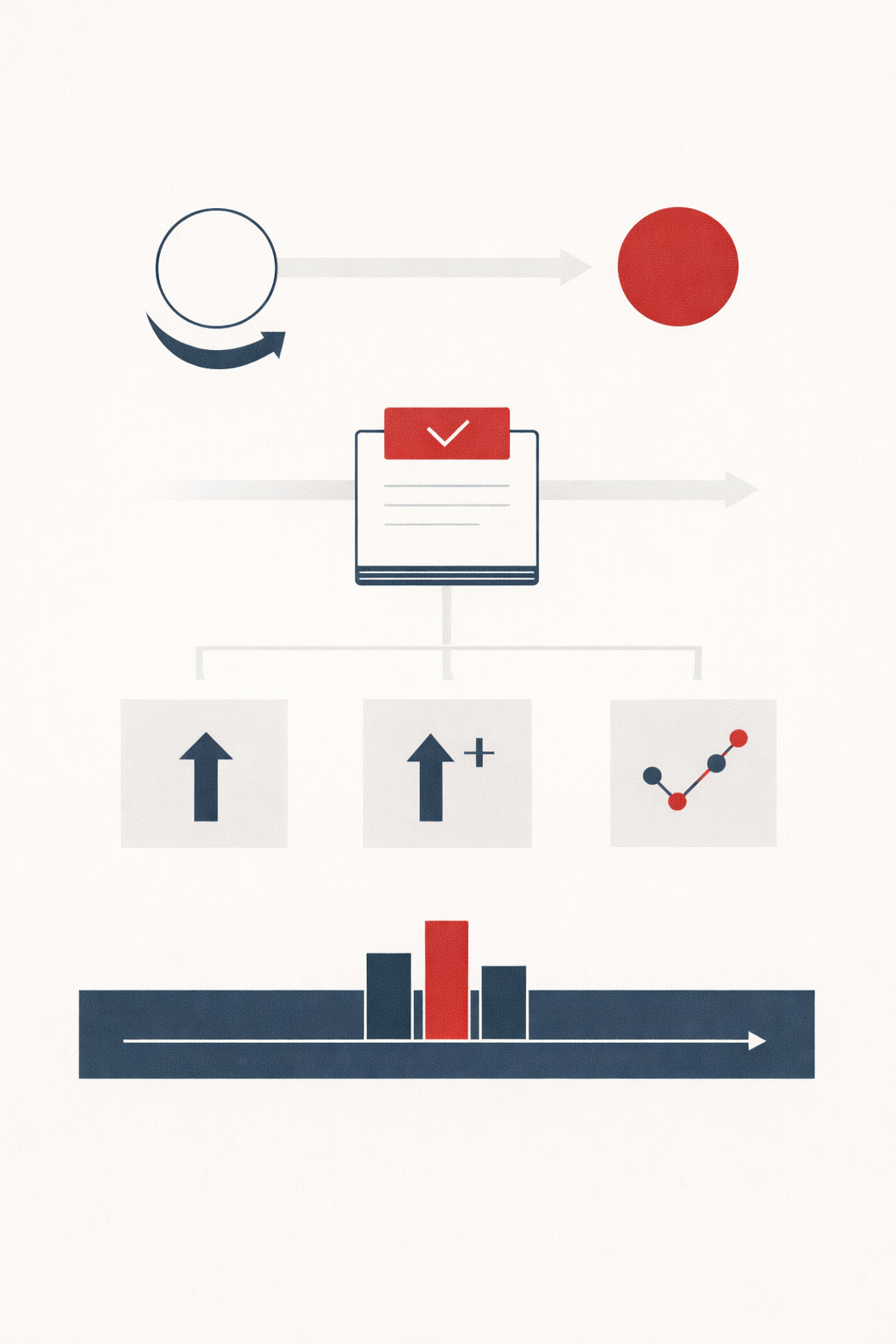
We’ve been testing a model that addresses several of the concerns raised — student agency, self-directed learning, verified outcomes, and democratic participation — without requiring new funding.
The core shift: Students retain 100% intellectual property ownership of their work.
Not a metaphor. A verified and practical framework where students own what they create.
What changes:
Student motivation: When building assets (not completing assignments), engagement transforms. 87% of students in our pilots report higher motivation.
Self-directed learning: Students solve problems they choose, learning what they need when they need it. 74% voluntarily spend additional time outside class.
Verified competencies: Blockchain credentials prove what students can do, not just where they attended. 100% of students can use these portfolios in real applications (jobs, programs, scholarships).
Democratic participation: Ownership teaches agency. Students learn to navigate real constraints, make ethical decisions, and create value — citizenship skills, not just career skills.
The results from 85+ students from Lern2ern over 2 years:
- 100% would recommend to peers
- Students as young as 13 building solutions adopted by community organizations
- Recognition: QS Reimagine Education Awards (Bronze 2021, Shortlisted 2025)
This isn’t theoretical. It’s been piloted, measured, and internationally validated.
But it can’t scale without policy support — specifically, provincial frameworks that enable student IP ownership and competency-based credentialing.
The Larger Point
I’m not suggesting this is THE solution. I’m suggesting we have proven models sitting in classrooms that can’t scale because we’re stuck in dialogue loops rather than deployment cycles.
Students are telling us what they need:
- More agency (self-directed learning)
- Better support (neurodiversity, executive function)
- Real outcomes (not just grades)
We have design solutions for all of these.
What we lack is the institutional courage to implement.
Show us the 90-day plans. Show us the budget realities. Show us the trade-offs.
For those interested: I’ve documented this model in this blog and what scale could look like at lern2ern.com. Also exploring it this March Break with a pilot Innovation Sprint camp for students 13-17 — testing commercial viability outside the free classroom model.
Not because I think camps solve systemic issues. But because proving alternative models work in multiple contexts is how we build the case for policy change.
Dialogue matters. But delivery defines legacy.
#PromiseofPublicEducation #PeopleforEducation #EducationReform #StudentOwnership #ImplementationMatters #Lern2ern

 Innovation in Education